How to Spot a Real Rolex Submariner: What to Check in the Engravings and Movement

Let’s cut to the chase: if you’re looking at a Rolex Submariner — especially online or from a private seller—you’re playing with fire. These watches are among the most counterfeited timepieces in the world, and modern fakes can look scarily convincing at first glance. But here’s the good news: Rolex doesn’t cut corners, and that shows in places most fakes can’t (or won’t) replicate properly—especially the tiny engravings and the movement inside.

You don’t need to be a master watchmaker to spot the difference. You just need to know where to look.

The Hidden Engravings: Tiny, But Telltale

Rolex hides several subtle laser engravings that are nearly impossible to fake accurately. The most famous one? The tiny Rolex crown at the 6 o’clock position on the crystal, just above the “Submariner” text.

On a genuine Submariner, this micro-engraved crown is crisp, perfectly centered, and only visible at certain angles under good light. It’s not painted or stamped—it’s laser-etched into the sapphire crystal itself.
Fake watches either skip this detail entirely, or they slap on a blurry, off-center blob that looks like a smudge more than a crown. Some even try to print it—but under magnification, it’ll look flat and messy.
Also check the rehaut (the ring around the dial, just under the crystal). On authentic modern Submariners (post-2005), you’ll find “ROLEX ROLEX ROLEX” laser-etched around it, along with a serial number. Counterfeits often miss this or get the font/spacing wrong—it’ll look too bold, too shallow, or uneven.

Hidden engraving on a Rolex' crystal

Case Back: Smooth as Glass (Literally)

Here’s a quick sanity check: the case back on a real Submariner is completely smooth and solid—no engravings, no display window, nothing. Rolex doesn’t do exhibition case backs on the Submariner.

If you see a skeleton back showing the movement, it’s 100% fake. If there’s any kind of logo, text, or decorative engraving on the case back? Also fake. Rolex keeps it clean—just polished or brushed metal, depending on the model.

The Movement: Where Fakes Really Fall Apart

Even if the outside looks spot-on, pop the case open (or ask for clear macro photos), and the truth comes out. Rolex makes its own movements in-house—highly finished, precise, and packed with proprietary tech.

Genuine Submariners use calibers like the 3135 (older models) or the newer 3230/3235. These movements are finished to an insane standard: perlage on the bridges, polished screw heads, and that signature Rolex red rotor with “Chronometer” and “Superlative” text.
Fake movements? Often based on cheap Chinese or Miyota clones. They might mimic the look, but under magnification, the finishing is rough—uneven brushing, dull screws, no perlage, or even visible glue residue.
One dead giveaway: the balance wheel. On a real Rolex, it’s part of a high-precision Parachrom hairspring system. On fakes, it’s usually a basic, unadjusted wheel that wobbles or looks crude.

Genuine 3235 Movement

Bonus Tip: Weight and Feel Matter

A real Submariner in stainless steel (Oystersteel) has serious heft—around 150–160 grams, depending on the size. It feels dense, solid, and balanced on the wrist. Many fakes use lighter alloys or hollow links to cut costs, so they feel flimsy or top-heavy.

Also, the clasp on the Oyster bracelet should have a deeply engraved Rolex coronet and “Rolex” text—sharp, not shallow. And the Glidelock extension system (on newer models) should operate smoothly with audible clicks. If it’s stiff, wobbly, or missing entirely, that’s another red flag.

Bottom Line

Yes, fake Submariners keep getting better. But Rolex’s attention to detail—especially in the engravings and movement—remains a step ahead. Take your time. Use a loupe. Compare against verified references. And when in doubt, buy from an authorized dealer or get the watch authenticated by a trusted third party.

Because at the end of the day, a fake might look like a Submariner—but it’ll never feel like one.

How to Tell Real Nike Air Jordan 1s from Fakes (Without Losing Your Mind)

Let’s be real-if you’re into sneakers, you’ve probably lusted after a pair of Air Jordan 1s at some point. They’re iconic, timeless… and, sadly, one of the most faked shoes on the planet. But don’t panic. Spotting a fake isn’t rocket science-you just need to know where to look. A lot of the differences come down to tiny details: how the logos are printed, the way the stitching sits, even the feel of the eyelets. Get those right, and you’ll spot a knockoff from a mile away.

Logos: The Devil’s in the Details
The logos on a legit pair of Jordan 1s are clean, sharp, and consistent-no excuses.

Start with the Wings logo on the ankle. On real pairs, the wings are crisp, symmetrical, and the lines are evenly spaced. If one side looks like it was drawn with a shaky hand, that’s your first red flag. The “Air Jordan” lettering under the wings should be bold and uniform-no fading, no weird thickness changes, and definitely no blurry edges. The side Swoosh? It’s smooth, well-proportioned, and sits just right. Fakes often get this wrong-either too thick, too thin, or slightly warped. And don’t skip the tongue. The “Nike Air” print should be centered, clean, and sharp. Smudges, crooked text, or weird spacing? Yeah… that’s not factory fresh.

Stitching: Neat Freak Energy Only
Jordan 1s are built to last, and that starts with the stitching.

Look for straight, even stitches-especially around high-stress areas like the toe box and along the side panels.
Loose threads, wonky spacing, or stitches that look like they were done in a hurry? Big no.
The stitching around the Swoosh and logos should lie flat against the leather. If it’s puckering or pulling, something’s off.
Counterfeits often go overboard-either with chunky, messy stitches or ones that look like they were done by someone who’s never held a needle before.

Materials & Hardware: Feel It to Believe It
This is where a lot of fakes really fall apart-literally.

Real Jordan 1s use quality leather that feels substantial but not stiff. It’s got a consistent texture-not too shiny, not full of random creases like it’s been stuffed in a drawer for a decade.
The eyelets? They’re metal-solid, snug, and smooth. If they feel flimsy, look like painted plastic, or wiggle when you touch them, walk away.
Flip the shoe over. The outsole should have sharp, well-defined tread patterns and clean edges. The Nike logo on the bottom is embossed cleanly-not shallow, smudged, or half-melted like some sad factory reject.
And peek inside. The insole usually has a printed Jumpman logo. Fakes either skip it entirely or slap on a blurry, off-center version that looks like it was printed on a 2003 inkjet.

At the end of the day, trust your gut-and your eyes. If something feels “off,” it probably is. And when in doubt? Stick to reputable sellers or get the pair authenticated. Because nothing hurts worse than dropping serious cash on what you thought was a grail… only to find out it’s just a really convincing costume.

How to spot fake Kilian perfume
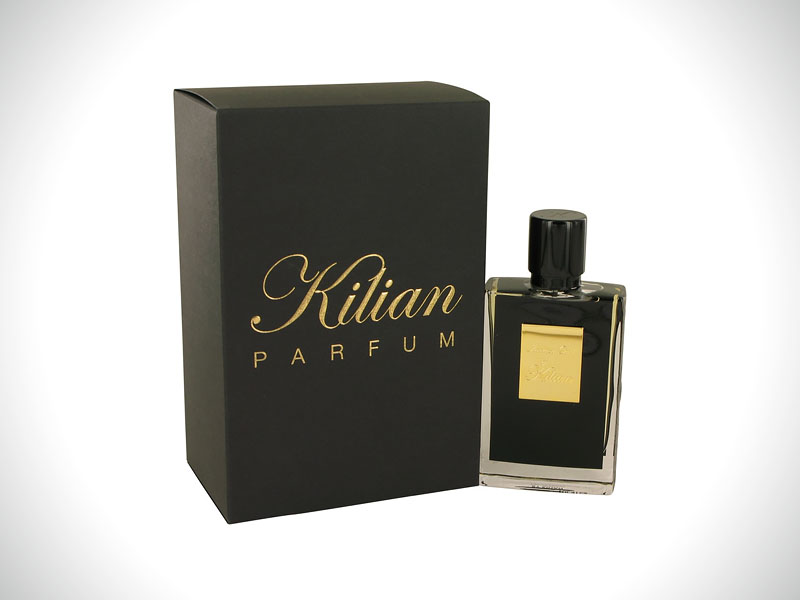
Fake Kilian perfumes have been flooding the market for a long time and consumers are still being cheated even at this second. People who are expert in perfume could easily tell if a perfume is fake and would not get cheated. However, if you are not one of these “expert” worry not, you will become one once you read through this post.

Continue reading “How to spot fake Kilian perfume”